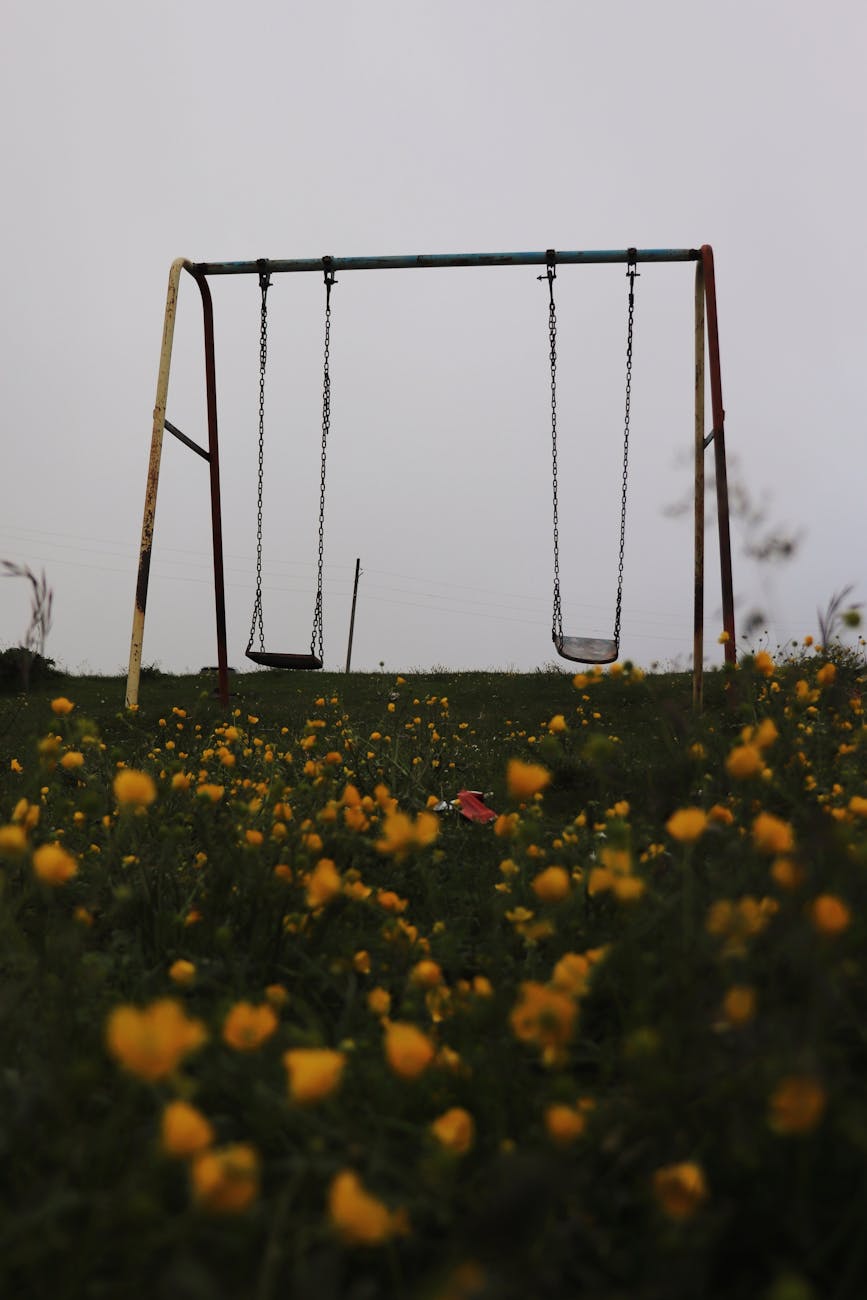
In trying to build a safe world for a child, you may gently repair the world that once broke you. It’s amazing how it works. But Allah works in wondrous ways.

We were taught that to love is to endure. But what happens when we realize that to love is, in fact, to protect? To be the wall that the storms of the world cannot break…
To promise a child safety is a natural act conforming to insan’s natural state. However, for those who grew up in the shadows of neglect or the chaos of being ‘scapegoated,’ this promise feels heavy because they know exactly what it feels like when that promise is broken.
Restoring Rahmah (Mercy) Through the Fight to Love
An abused or neglected child often grows up with a demonstration of love that is extremely conditional or scarce. “Love” takes different forms through the abuse and and it is misinterpreted by the little one to being control, reward for blind compliance, or even outright harm and ridicule. Now as an adult, to love a child is an act of rebellion against everything she knew. To her, it means to refresh her understanding, her subconscious internal schemas, and her norms to offering a true, pure love— as it should be, from a caregiver to their little one. Free, flowing, non-judgemental. Spacious enough for the little one to be her ownself and express to her heart’s contents without fear.
عَنْ أَبِي هُرَيْرَةَ قَالَ قَالَ رَسُولُ اللَّهِ صَلَّى اللَّهُ عَلَيْهِ وَسَلَّمَ إِنَّ لِلَّهِ مِائَةَ رَحْمَةٍ أَنْزَلَ مِنْهَا رَحْمَةً وَاحِدَةً بَيْنَ الْجِنِّ وَالإِنْسِ وَالْبَهَائِمِ وَالْهَوَامِّ فَبِهَا يَتَعَاطَفُونَ وَبِهَا يَتَرَاحَمُونَ وَبِهَا تَعْطِفُ الْوَحْشُ عَلَى وَلَدِهَا وَأَخَّرَ اللَّهُ تِسْعًا وَتِسْعِينَ رَحْمَةً يَرْحَمُ بِهَا عِبَادَهُ يَوْمَ الْقِيَامَةِصحيح مسلم كتاب التوبة باب في سعة رحمة الله تعالى وأنها سبقت غضبه 2752
Abu Huraira (ral) reported: The Messenger of Allah, peace and blessings be upon him, said, “Verily, Allah has one hundred mercies and He sent down a single part of them between the jinn, the humans, the animals, and the insects, by which they are compassionate and merciful to each other, such as the compassion of a beast for its offspring. Allah kept ninety-nine mercies by which He will show mercy to His servants on the Day of Resurrection.”
Source: Muslim 2752
When a child is cornered, mocked, or treated undeserving, her conception of love is deeply affected. Her capacity to nurture is, in spite of having so much to offer, suppressed due to her inner defences and chronic fear. To love a child as an adult from the core of her heart is to crush the mould of neglect and reach her natural state; the state that Allah created humans, camels, and any other creature to be towards their young. A state of mercy and compassion. Through this “fight”, you restore the rahmah of your heart.
Agency and Control
The heaviest injury stemmed from a lack of agency and a loss of power as a child in an abusive situation. The narrative—her whole, entire story, was written by others; the nonchalant abuser(s), the rigid system, or the tight mould she was placed in. The story kept moving, and she found herself a passive participant in her own injury until the passivity trickled into her identity.
Today, in her desire to care for a child, is a psychological response to what she once looked for as a child herself but could not find. But this time, she is in control of controlling the narrative and its outcomes. To safeguard the child and her innocence. To ward off unreasonable demands on the child and any potential disadvantage to the child in her care.
This she finds healing beyond words.
If this resonates, here are some reflections to ponder on:
Reflection 1: Is my current protection of others a way of speaking to my own past?
Reflection 2: Where does the “mould” I was once thrust into still restrict my breath today?
Reflection 3: How can Rahmah be an act of rebellion?
Leave a Reply